
If you’re shopping for a shipping container, one of the first things you’ll notice is that not all containers are labeled the same. Terms like IICL, Cargo Worthy, and As-Is show up everywhere, but they’re rarely explained in a way that actually helps you make a decision.
Understanding these grades is critical. The label attached to a container tells you what kind of condition it’s in, how long it will last, and whether it can be used for shipping, storage, or something else entirely.
This guide breaks it down in simple terms so you know exactly what you’re getting before you buy.
Why Container Grades Matter More Than You Think
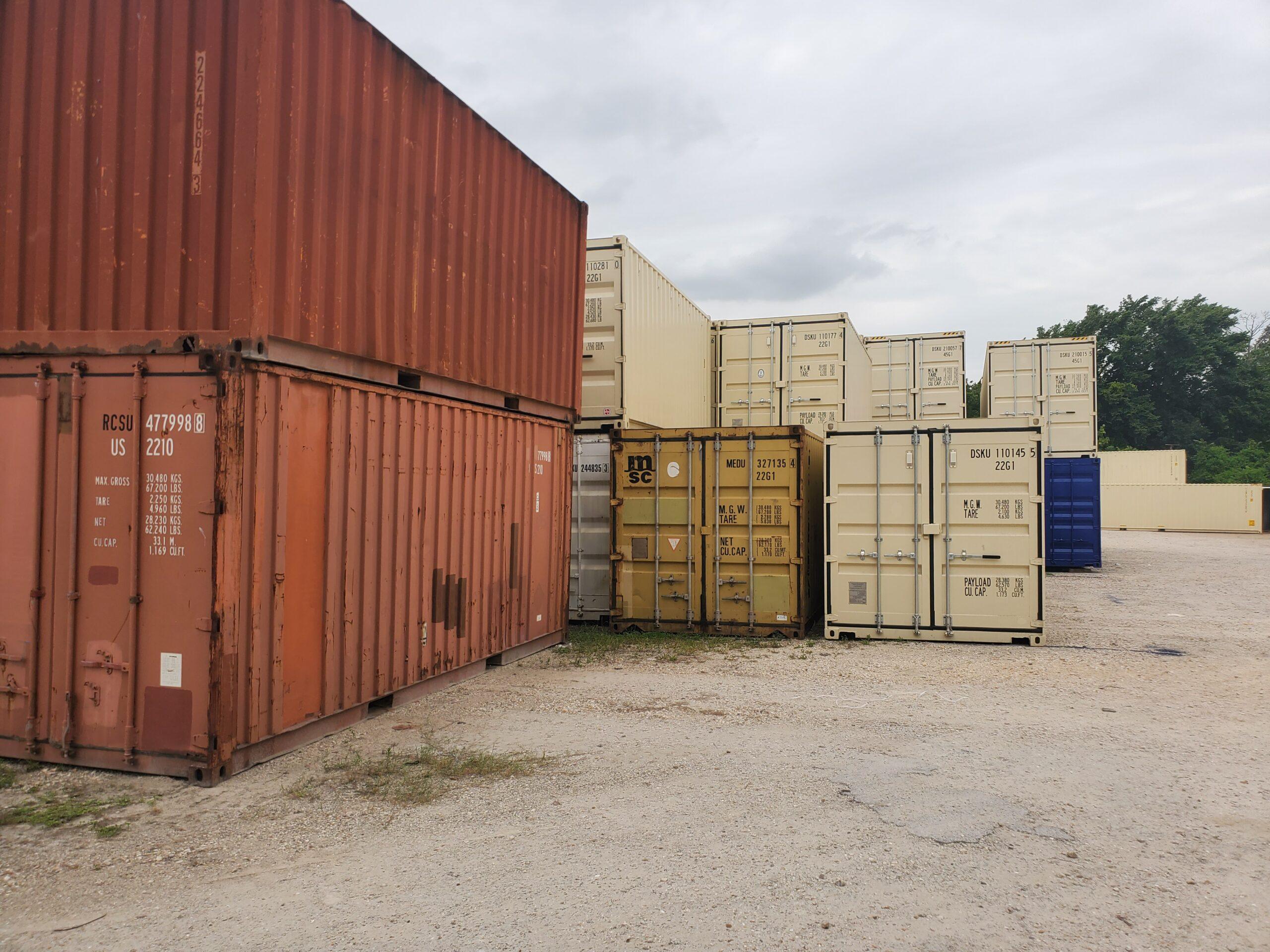
At a glance, most shipping containers look similar. They’re all steel boxes, often the same size, and usually painted in standard colors. But the condition behind that exterior can vary significantly.
Container grades exist to answer a few key questions:
- Is it structurally sound?
- Will it keep water out?
- Can it be used for international shipping?
- How much repair work might it need?
If you skip over the grading details, you risk buying something that doesn’t match your needs. For example, a container that’s fine for storage might not pass inspection for overseas shipping. On the flip side, paying for a high-grade container when you only need basic storage can be an unnecessary expense.
IICL Containers: Premium Condition with Minimal Wear
What “IICL” actually means:
IICL stands for the Institute of International Container Lessors. Containers in this category meet strict inspection standards set by leasing companies that operate globally.
What you’ll notice right away:
- Clean exterior with very minimal dents
- Little to no rust beyond surface-level wear
- Doors that open and seal smoothly
- Interior that’s well-maintained and structurally solid
These containers are often among the best you can find on the resale market. Many have been carefully maintained because they were part of leasing fleets, where condition directly impacts value.
Where IICL makes sense:
- Export or import shipping
- High-end storage where appearance matters
- Long-term investments where durability is a priority
If you’re trying to avoid headaches and want something close to “like new” without paying for a brand-new container, this is typically the tier to look at.
Cargo Worthy Containers: Built for Shipping, Priced for Practicality
What “Cargo Worthy” means:
A Cargo Worthy (often shortened to CW) container has passed inspection for international shipping. It meets safety and structural standards required to move goods overseas.
What you can expect:
- No holes or leaks
- Solid flooring and intact structural components
- Functional doors and secure seals
- Visible wear such as dents, scratches, or surface rust
These containers have usually spent years in active service, so they show signs of use. That said, they still do the job they were designed for.
Where Cargo Worthy stands out:
- Shipping goods internationally
- Secure on-site storage
- Buyers who want reliability without paying top-tier pricing
This is often the most popular option because it strikes a balance. You get a container that’s fully functional and approved for transport, but at a lower cost than premium grades.
Wind and Water Tight (WWT): Reliable for Storage, Not for Shipping
What “WWT” means:
Wind and Water Tight containers are guaranteed to keep out the elements, but they’re not certified for international shipping.
What that looks like in practice:
- No leaks when it rains
- Fully enclosed structure that protects contents
- May have patches, repairs, or visible aging
- Could fail a shipping inspection despite being usable
These containers are often older units that have reached the end of their shipping life but still serve well as storage.
Best use cases:
- Equipment or tool storage
- Construction sites
- Farms, warehouses, or overflow inventory
WWT containers are a practical option when you don’t need perfection. They do exactly what most people need a container to do, which is keep things dry and secure.
As-Is Containers: Lowest Cost, Highest Uncertainty
What “As-Is” means:
As-Is containers are sold in their current condition with no guarantees or repairs. What you see is what you get.
What you might encounter:
- Rust, dents, or corrosion
- Possible holes or weak spots
- Doors that don’t seal properly
- Flooring that may need replacement
These containers are typically at the end of their usable lifecycle, at least in their current state.
Where they still have value:
- DIY builds and custom projects
- Buyers comfortable handling repairs
- Scrap or material reuse
The price is the main draw here. However, it’s important to factor in repair costs and time. A cheap container can quickly become expensive if it needs significant work.
Quick Comparison of Container Grades
| Grade | Condition | Shipping Ready | Best Use |
| IICL | – Excellent | – Yes | – Shipping, long-term storage |
| Cargo Worthy | – Good | – Yes | – Shipping, general storage |
| WWT | – Fair | – No | – Storage only |
| As-Is | – Poor | – No | – Scrap, repairs, projects |
Choosing Based on How You Plan to Use It
The biggest mistake buyers make is choosing based on price alone. Instead, start with your intended use.
If you need to ship goods internationally:
Stick with IICL or Cargo Worthy. Anything below that will not meet inspection requirements.
If you need dependable storage:
WWT containers are often more than enough. You don’t need to pay extra for shipping certification if the container is staying in one place.
If you’re building or modifying:
Condition matters less if you’re planning to cut, weld, or reinforce the container anyway. That’s where lower-grade options can make sense.
What Impacts the Price Between Grades
Container pricing isn’t random. It’s influenced by several factors tied directly to grading:
- Age of the container
- Number of previous trips
- Structural condition
- Cosmetic appearance
- Current market demand
Higher-grade containers cost more because they require less maintenance and have a longer usable life. Lower-grade containers are cheaper upfront but may require repairs or have a shorter lifespan.
What to Ask Before You Buy
Even with grading labels, it’s smart to ask a few key questions before committing:
- Is the container inspected recently?
- Are there any known repairs or patches?
- Does it come with a guarantee of being wind and water-tight?
- Can I see actual photos of the unit I’m buying?
Not all sellers use grading terms consistently, so clarity upfront helps avoid surprises later.
Making a Confident Purchase Decision
Shipping container grades are there to simplify the buying process, but only if you understand what they mean.
If you want something clean, durable, and ready for long-term use, IICL is the top tier. If you’re looking for a reliable, cost-effective option that still performs well, Cargo Worthy is often the go-to. For basic storage, WWT gets the job done without overpaying. And if you’re tackling a project and don’t mind repairs, As-Is containers can be worth considering.
The key is aligning the grade with your actual use case. Once you do that, the decision becomes much easier and a lot more predictable.
Get the Right Container Without the Guesswork
Not sure which grade fits your needs? The team at BJM Containers can walk you through your options and help you choose a container that actually makes sense for your project and budget. Reach out today to get a free quote.